Students in a class of 60+ worked in teams of four to create a StoryMap on an environmental biology topic. A requirement of the assignment was that the story must engage in the science of the topic and find ways to make complex ideas accessible. Peer review was assigned mid-semester, final projects were assessed using a rubric and reflection papers incorporated assessment of their groupmates as well as their own work throughout the semester.
1-2 workshops modeling the process of researching, collaborating and creating the final project. Canvas modules were embedded in the course to walk students through the process. A course online guide was created to support students.
What inspired you to incorporate a project that engages with creative media and methods into your course curriculum?
"Having students work in teams on a visual project provides students with critical teamwork skills but also an opportunity to explore how to make complex information accessible."
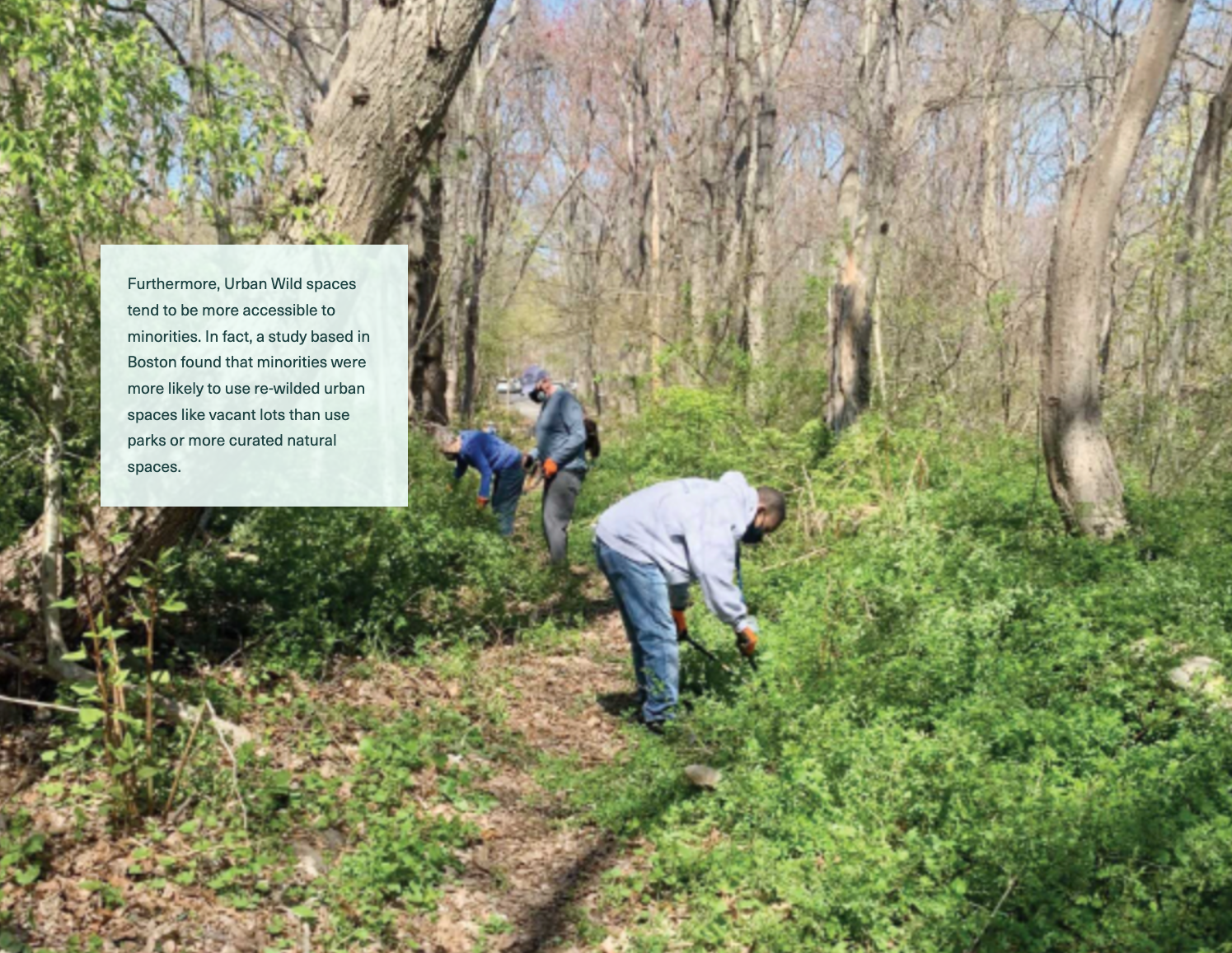
"I think it is crucial to incorporate different perspectives into a story. For instance, when we were coming up with potential problems with the program there were many that we had to discover through our own critical thinking. The locations of the urban wild sites tend to be in wealthier neighborhoods or those that are actively being gentrified. Only by matching the maps of the urban wilds with the distribution of wealth in Boston could that trend be identified."
The Ocean’s Most Imperiled Whale: The North Atlantic Right Whale is on the brink of extinction. By Amelia Macapia, Julia Steiner, Luke Steiner, Nick Siegal.
The Urban Wilds of Boston: Past, Present, and Future: What can we learn from and how can we contribute to Boston's growing urban wilderness? By Nitika Subramanian, Harrison Tun, Victoria Rojas, Gus Gladstein.