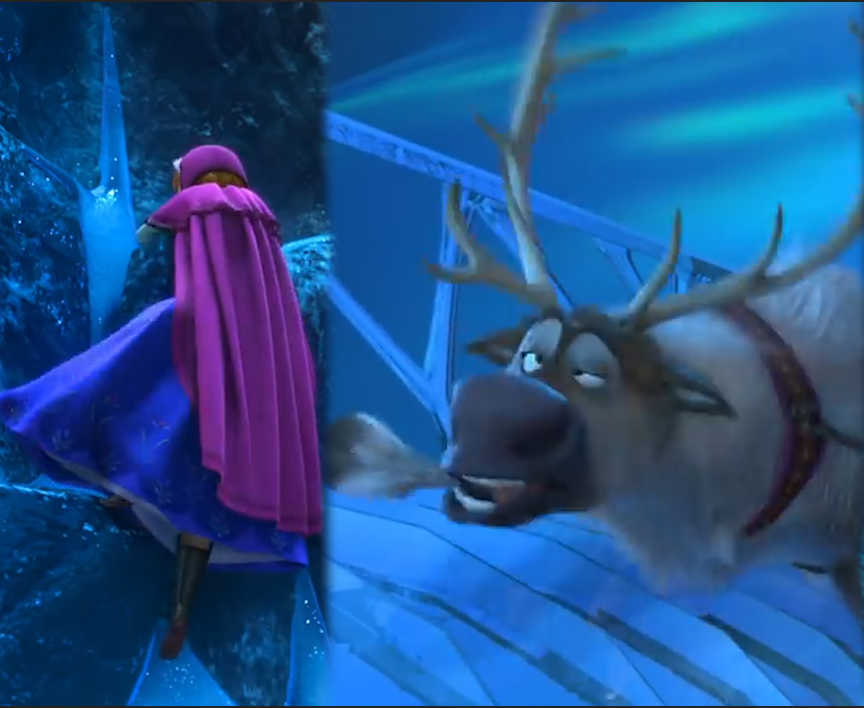
In a class of 21 students, groups of 3 or 4 students make 5 minute video remixes using a excerpt provided. The goals for the video remix are: 1) To show how race/ethnicity/gender/age have been used to portray otherness, but how they might be portrayed more equitably in children’s media 2)To find visual/aural ways of teaching children about stereotyping in media, 3) To demonstrate how shifts in editing can affect storytelling. Assignment was assessed with a reflection paper and rubric connected to assignment objectives.
One in-class workshop, at least one individual group consultation outside of class, assessment support, and creation of a course specific online guide.
Based on your experience, what are the unique benefits that creative media projects offer to students, compared to traditional academic research papers? How do these projects contribute to students' learning and skill development in ways that other assignments might not? "I think that creative media projects get students to think in new ways. They've all grown up in a world of wall-to-wall media, but to get them to step back and think about what it takes to put media together, make it thoughtful and compelling and meaningful, takes a different skill set, entirely."
Through this assignment, I have learned that remixing offers an incredible degree of creative control. Remix is an art form that encourages creative reinterpretation and critical thinking. Remixing can enhance our ability to analyze and deconstruct media, enabling us to gain a deeper understanding of its underlying narratives and structures. I believe that this newly acquired skill has a wide range of applications that transcend the realm of media production."