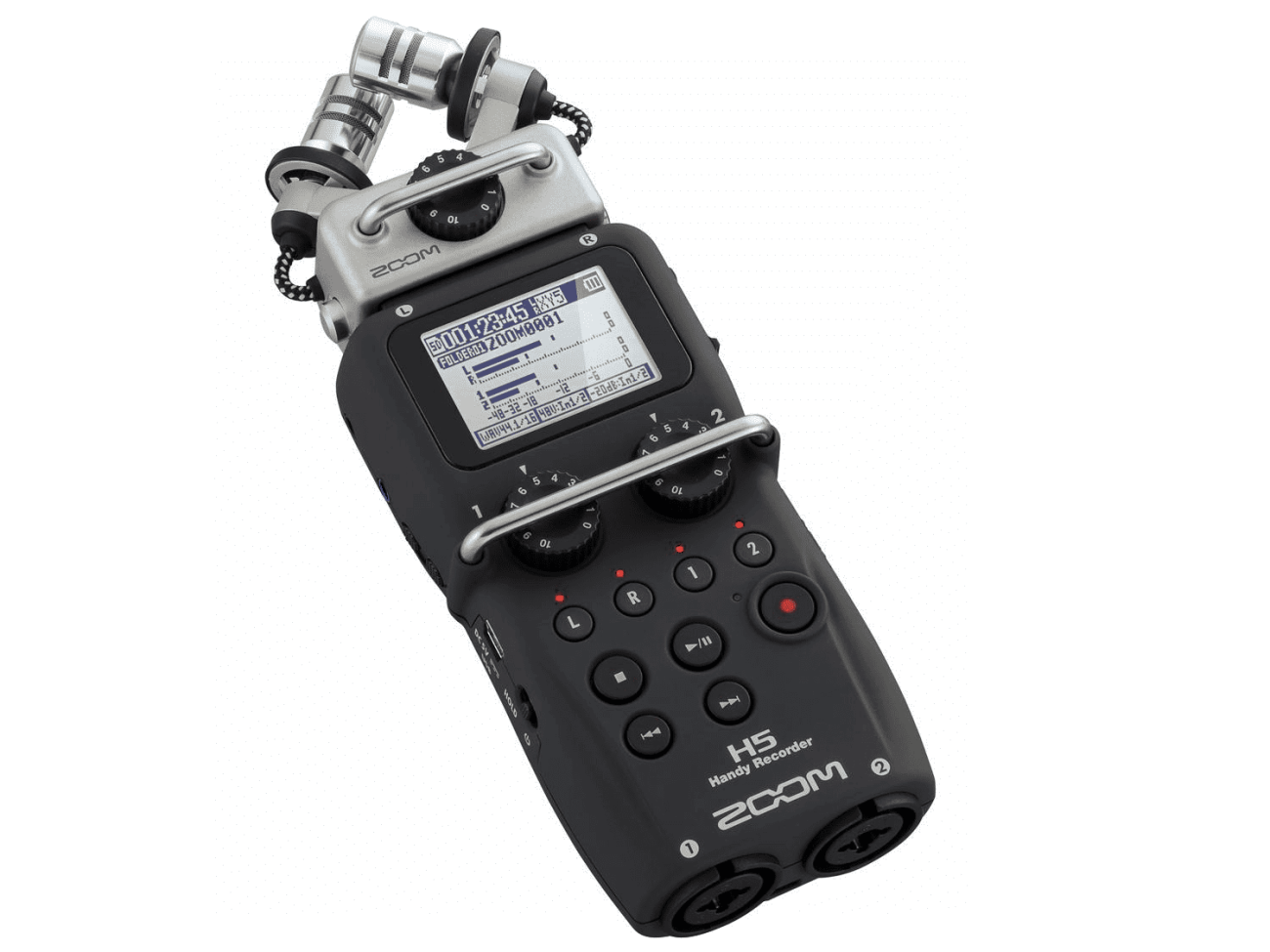
For this class, students explore ethnographic field research from a decolonial framework. In a workshop in the Digital Design Studio, students learn audio recording techniques and interrogate the relationship between recording and representation of a community as a researcher. In what ways does recording sound/music enhance representation of the community over writing about it? In what ways do researchers have to make choices that impact the representation, such as microphone placement or directionality?
In this class, each student pursues a semester-long ethnographic project on a local music culture of their choosing, from DJ culture and the Black theater scene at Tufts to vinyl record listening bars and Argentinian tango dances in Boston, to name a few. Students applied their DDS training in field recording equipment and best practices to make field recordings of music in context, record interviews, and produce a storytelling sound collage. The audio recording training they received gave them the tools to make informed decisions about equipment and techniques to produce recordings appropriate to their specific acoustic, musical, and social contexts. The instruction they received on the Audacity audio software platform enabled them to tell ethnographic stories through sound clips they edited to engage with acoustemology—the act of producing knowledge through sound. Through these collages, students engaged with their fieldwork materials much more closely, and thus produced higher quality ethnographic representations, than students writing traditional text-based accounts.